Every engagement starts in the same mess of too many inputs, too many opinions and no clarity. Our job is to find the idea buried underneath it and cut away everything that isn't carrying weight, and then to build the thing itself, with seniors on the work from the first workshop through to the final master and no handoffs along the way.
We keep strategy and creative in the same room from the first day. A brand consultancy will hand over a deck and a creative studio will take a brief, and somewhere in between the two of them, usually around the time production starts, the strategy gets diluted into something nobody in the room can defend. We work the whole span so that never happens.
The first step in getting a brand right is knowing who you are talking to, so rather than guess we start from an analysis of customer needs. That means quantitative surveys running up to 18,000 respondents, qualitative groups across territories, and clustering to find the needs that genuinely group together. What comes back is rarely what the boardroom assumed.
01 · INPUTBefore any workshop we run a standardised ten-question interview with every stakeholder, which puts the real arguments on the table before the room fills, and then we engineer the exercises specifically to resolve the disagreements we found. By the time everyone is together the landmines are already mapped, and the conversation can go somewhere.
02 · SYNTHESISBrand position, brand promise, brand statement and an eight-step naming process are all structured ways of landing on the same thing, which is the intersection between what the product actually is and what the audience actually wants. The brand is sitting in there already. We do not invent it, we find it.
03 · POSITIONThe document is not really the deliverable, the alignment is. When everyone in the room can say what the brand is and why in their own words, without reaching for the deck, then the brand will survive past launch. That is the bar we work to.
04 · OUTPUT
Strategy is the discussion. Not the deck.
We do four things, and the same seniors work on all of them. The people who sit in the first workshop are the people who sign off the final master, so the work never changes hands halfway through and nothing gets lost in the translation.
Getting the room to agree on what the launch actually needs, in weeks rather than months. Positioning, brand promise, naming, and the campaign concept that comes out of them.
Key art, trailers, identity, motion and film, with seniors on the work from the brief through to the master.
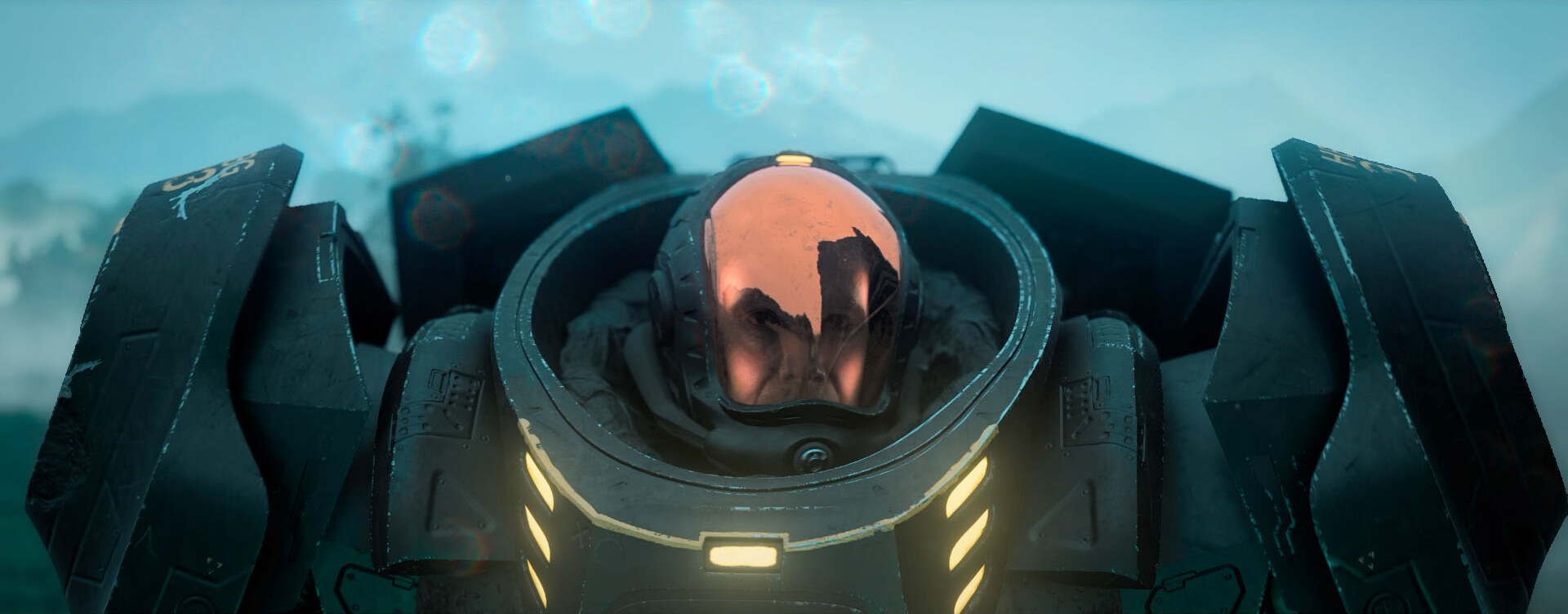
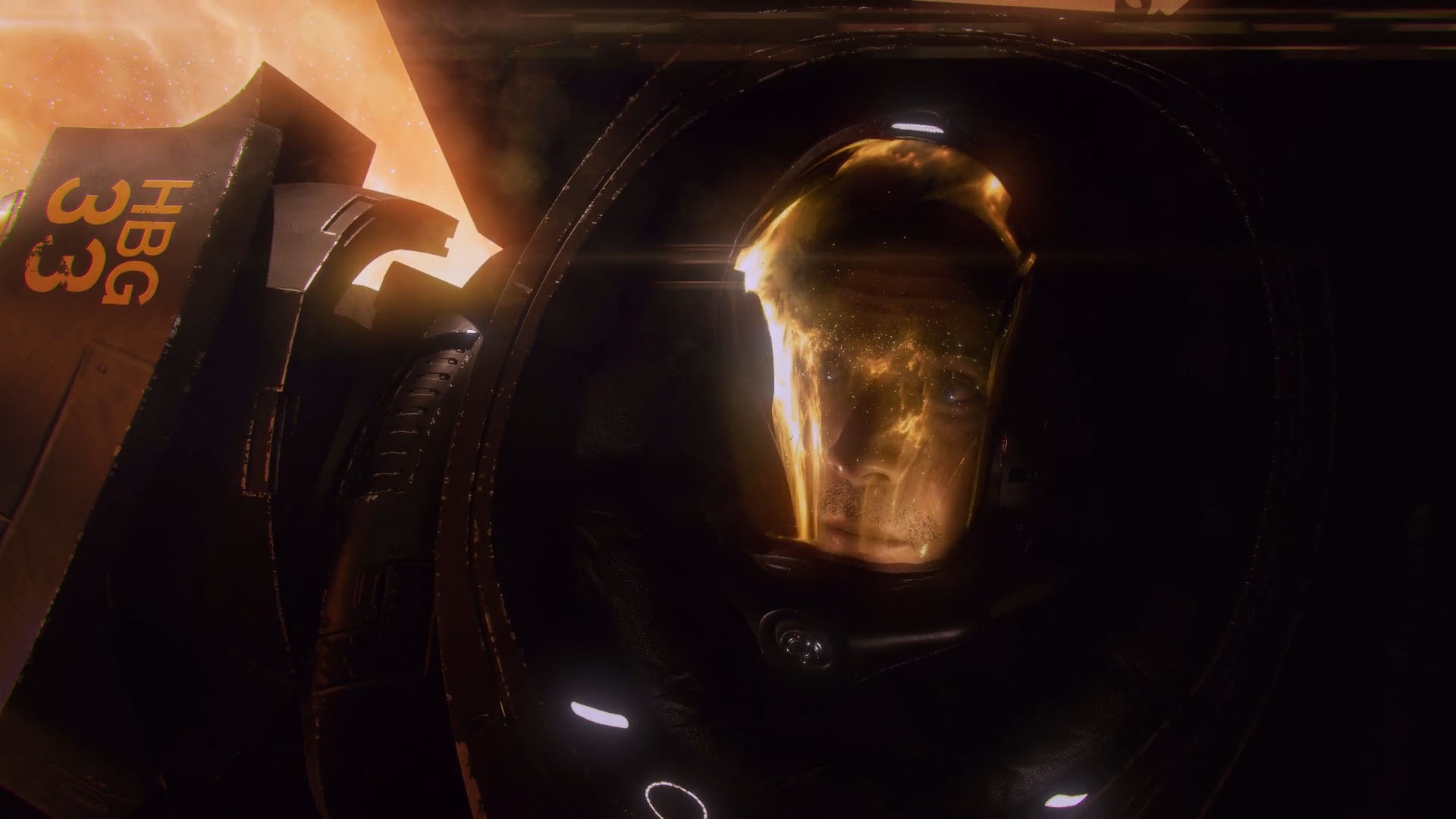
Concept, boards, previz, key-art development and motion, made in an AI-native pipeline that keeps artists and specialists in every stage. It is a great deal faster, and it is still made by people.
The pipeline we run on client work is software we wrote ourselves, and when a studio needs a tool that does not exist yet we will build that too.

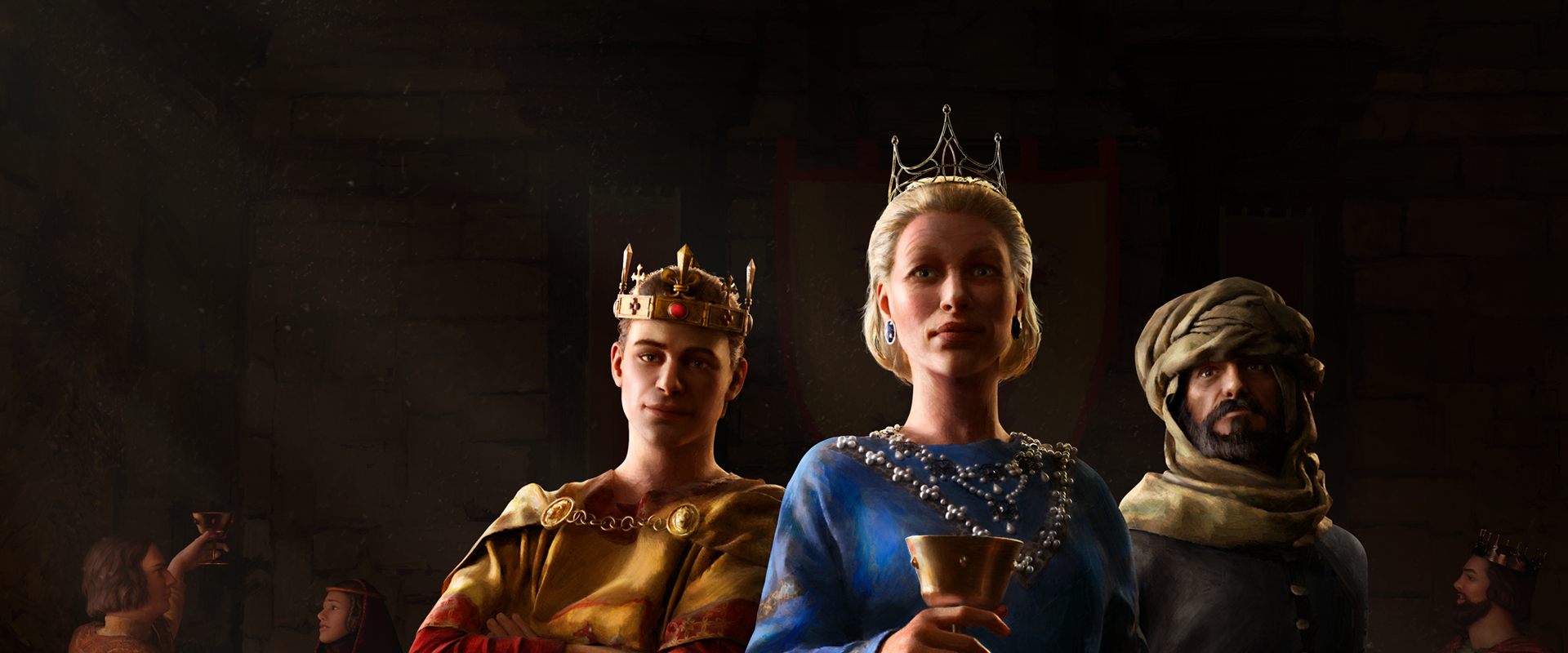
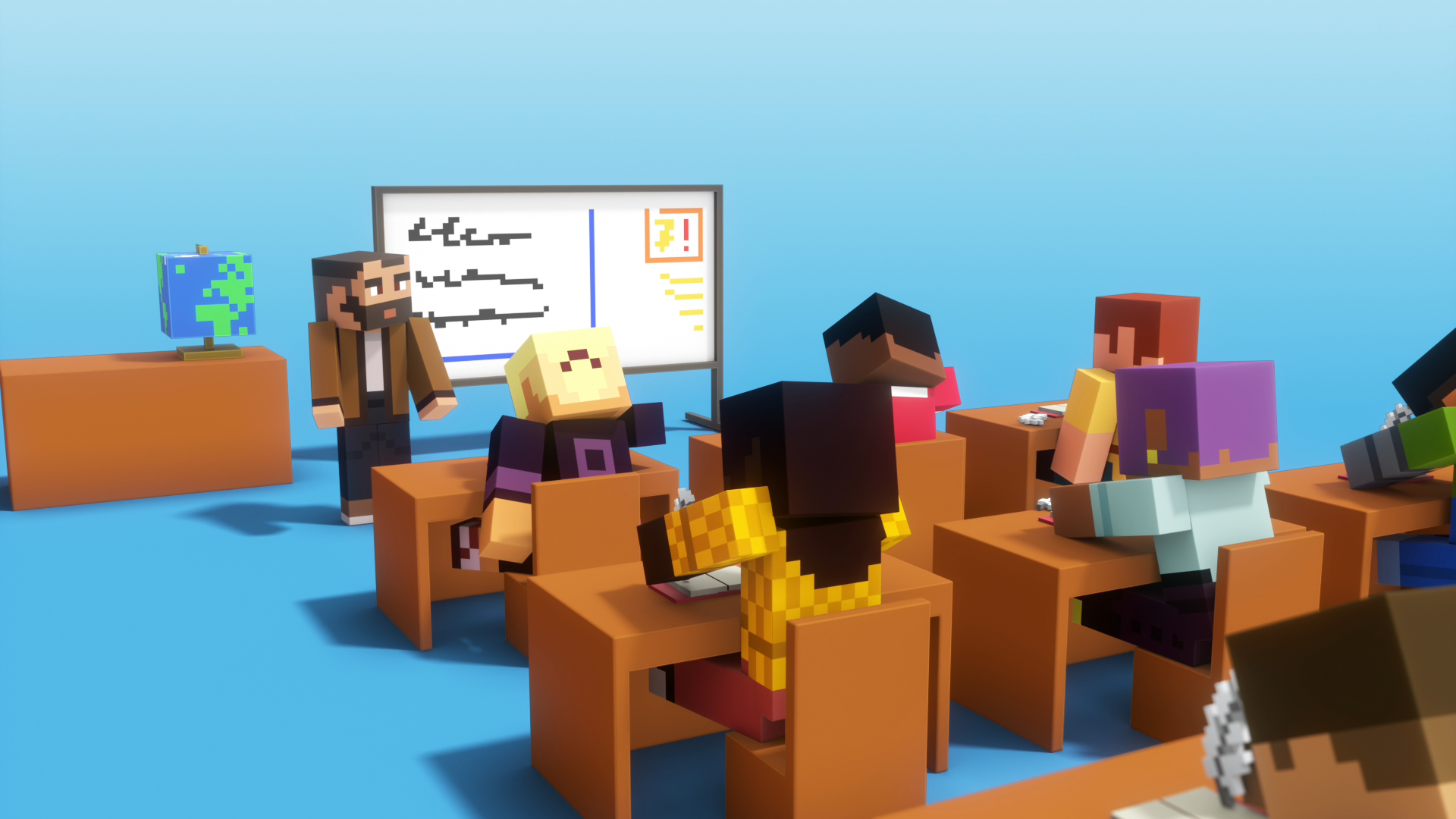
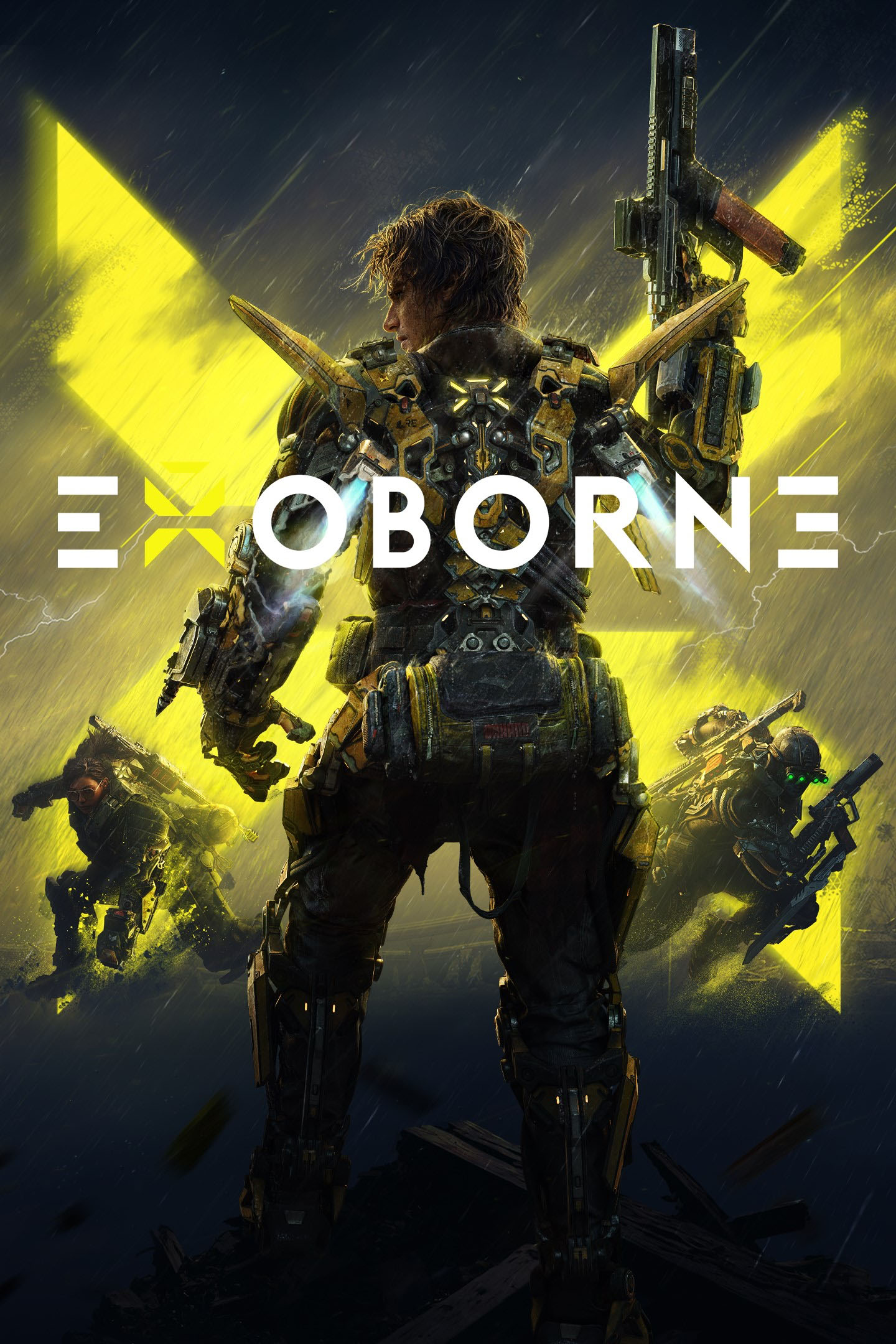
High fidelity execution is commoditising. Strategy and senior judgment are not.
An AI-native pipeline lets us prototype quickly and carry an idea all the way to high fidelity without losing the hand that made it. There is no machine making the work here. Artists and specialists sit in every stage and the pipeline serves what they decide. Where AI cannot get a client where they need to go we bring in houses that are best in class at that particular craft and run them alongside it, because the point of all this is cost and bandwidth rather than AI for its own sake.
Concept, boards, previz, key-art exploration and motion studies. An idea reaches a state you can actually judge in days rather than weeks, so the decision gets made on something real instead of on a mood board. You only get one introduction to the market, so you had better show up correct.
IN PRACTICEArt direction, design, edit, sound and story. The pipeline itself decides nothing, it just shortens the distance between what an artist intends and what a client can actually see.
PEOPLESome work is AI-native from end to end and some of it is shot, drawn or built the classic way. Most of it is both at once, and we run the two side by side without making a thing of it.
BOTHPost, VFX, colour, sound and music, live-action finishing and CG cinematics are all craft that takes a bench, a room and a decade to build. We use those houses in conjunction with the pipeline, and we are not trying to replace them.
PARTNERSEvery frame we make carries a record of who made it and how, so clients can see the chain and artists keep their credit.
ATTRIBUTIONThe pipeline is software we write and run ourselves, and it is becoming a company of its own. Ask, and we'll show you.
THE TOOL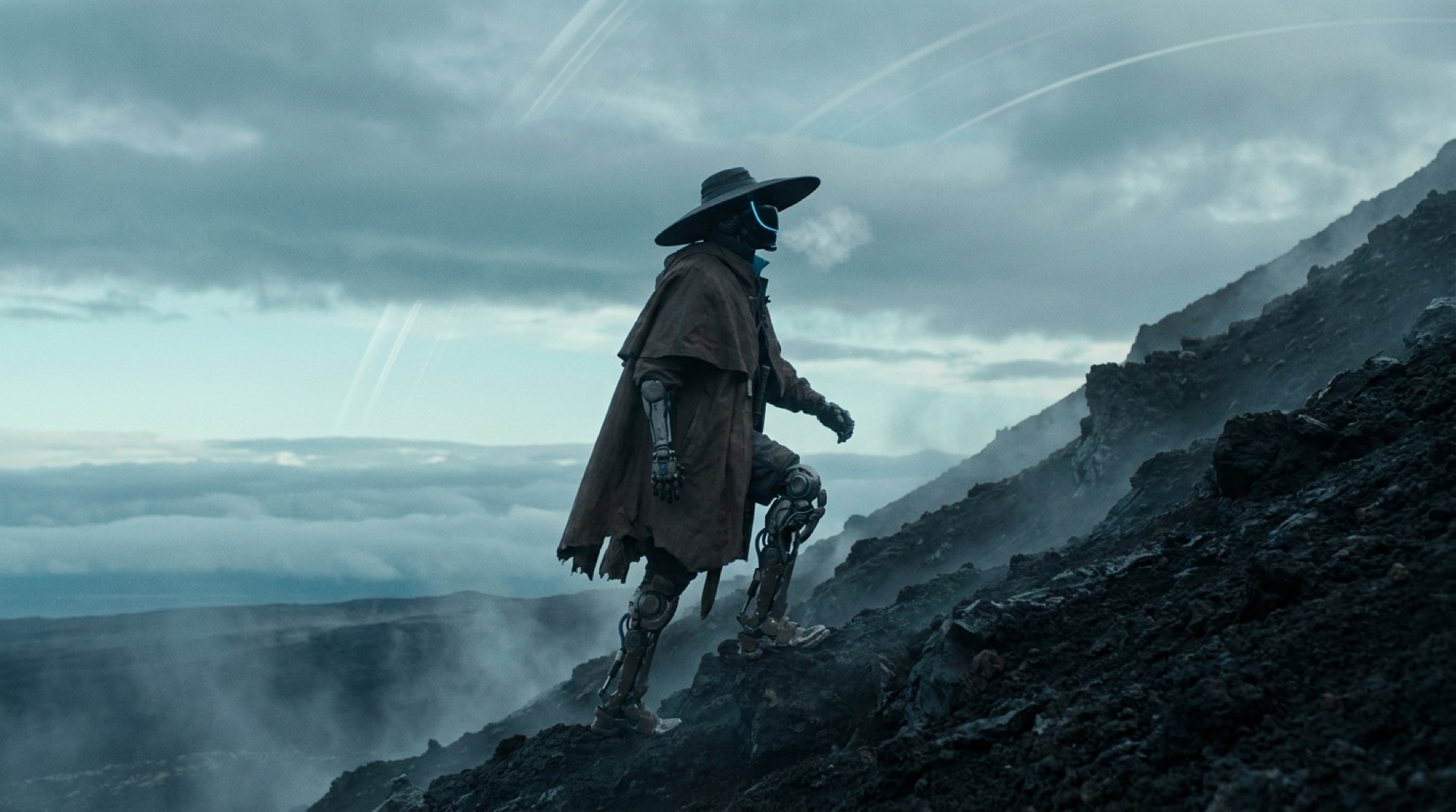
We love the tool. We love the craftspeople just as much.